Serving Lancaster, CA and surrounding areas. (661) 952-4799
A crack or pothole that looks small today can double in size after one Antelope Valley summer. We fix asphalt damage quickly, with proper prep and a real look at what is happening beneath the surface.
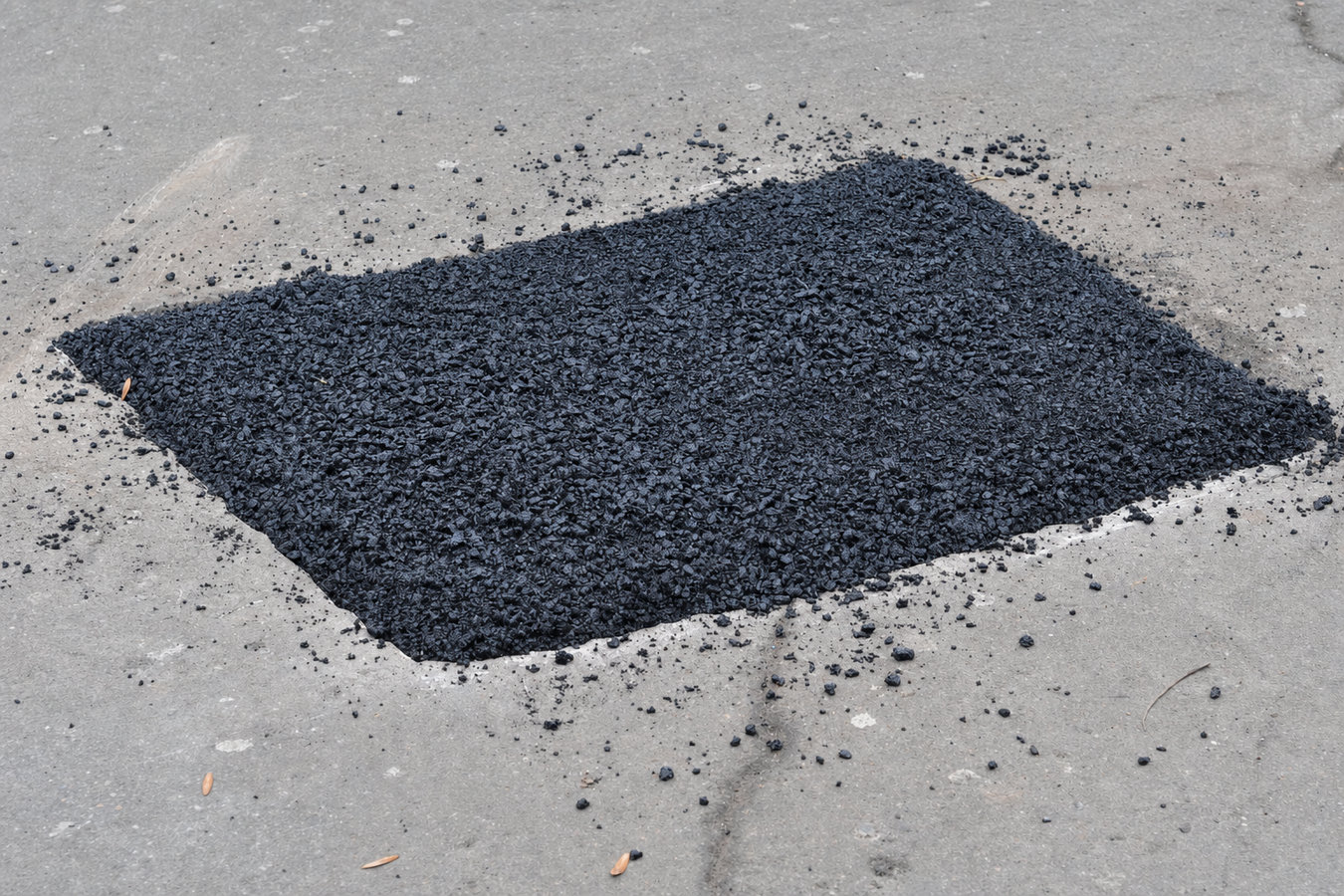
Asphalt driveway repair in Lancaster, CA covers crack filling, pothole patching, and section replacement - the crew cleans the damaged area, cuts clean edges where needed, places fresh asphalt, and compacts it flush with the surrounding surface. Most residential repair jobs are completed in a single day, often in just a few hours.
The most important part of a lasting repair is understanding what caused the damage in the first place. Asphalt sits on top of a compacted base layer. If that base has shifted, eroded, or softened from water intrusion - which happens in Lancaster when occasional heavy rains saturate ground that is otherwise bone-dry - patching the surface alone will not last. A contractor who checks underneath before deciding on the repair method is doing the job right.
If your surface has reached the point where repair is just delaying the inevitable, we will tell you honestly and walk you through our asphalt crack sealing and driveway replacement options so you can make the right call for your budget and timeline.
A network of cracks - especially a pattern that looks like alligator skin - means damage is progressing. In Lancaster's intense sun and heat, open cracks dry out and widen fast. Catching them early means a simpler, far less expensive fix.
Once asphalt starts breaking into pieces, water gets into the base and damage accelerates. A pothole that looks small in spring can double in size after a summer of heat and a few rain events. At this stage a patch is needed, not just sealant.
Standing water after rain or a running hose means the base beneath has settled or eroded. Water softens the base further and speeds up surface failure. This is especially important to catch in Lancaster, where occasional heavy rain events saturate otherwise bone-dry soils.
Driveway edges have less support than the center and are the first to fail. When edges start chipping, crumbling, or separating from a curb or border, that deterioration will work its way inward if left alone - edge repairs are far simpler when caught early.
We handle the full range of asphalt repair work for residential driveways and commercial lots across Lancaster and the Antelope Valley. Whether you have a single pothole, spreading edge damage, or a network of surface cracks, we start every job with a site assessment - looking at the full surface, the edges, and the base condition - before we decide on the right repair method. For smaller surface cracks that have not yet opened into potholes, standalone asphalt crack sealing is often the most cost-effective first step, keeping water out and slowing the progression.
For more significant damage - sections that have failed completely or potholes that recur after patching - we also address pothole repair with proper base investigation so the fix is not just cosmetic. The National Asphalt Pavement Association has published guidance on repair best practices that informs how we approach prep work and material selection.
For driveways with surface cracks that have not yet progressed to potholes or base failure.
For sections where asphalt has broken away and the base is exposed or compromised.
For larger failed areas where a cut-out-and-replace approach is more cost-effective than repeated patching.
For driveways where the edges are crumbling or separating, before deterioration works toward the center.
Lancaster's high-desert climate speeds up asphalt deterioration in ways that contractors from coastal or inland valley California do not always anticipate. The Mojave Desert sun delivers intense UV radiation almost every day of the year, and the combination of low humidity and 100-degree summers dries out the binder that holds pavement together far faster than in milder regions. Surface cracks that might stay small for years in a cooler climate widen quickly here, and any crack left open becomes a water entry point during the occasional heavy rain events that arrive in winter. We work throughout Lancaster and the surrounding desert communities, including Lake Los Angeles, and we understand the pace at which the desert works on unprotected pavement.
The soil movement is another factor specific to the Antelope Valley. Much of Lancaster sits on alluvial soils with clay content that expands when wet and shrinks when dry. That shrink-swell cycle - driven by dry summers and occasional wet winters - can shift the base beneath a driveway over time, causing surface depressions and cracking that have nothing to do with the quality of the original paving job. Homeowners in neighborhoods throughout Lancaster and out toward Palmdale deal with this regularly. The fix is not just patching the surface - it is understanding what the ground beneath is doing and addressing it before the repair goes down. For authoritative guidance on materials and pavement standards, the National Asphalt Pavement Association is a useful reference.
Describe what you are seeing - cracks, a pothole, a rough surface, or a low spot. We respond within one business day and schedule a free on-site estimate, which is the only reliable way to get an accurate price.
We look at the full surface, not just the obvious damage - checking edges, looking for base failure signs, and determining whether the surrounding pavement is solid enough to repair or whether a larger section needs replacement.
The crew cleans out damaged areas, cuts clean edges around patches, and removes all failed material. In Lancaster's heat, we often schedule work for the early morning so the new asphalt compacts and sets correctly.
Fresh repairs need 24 to 48 hours before vehicle traffic. We walk the job with you before leaving, confirm the repair is flush and clean, and explain what to watch for and when to follow up with sealing.
Free on-site estimate, straight talk on repair vs. replacement, no sales pressure. We respond within one business day.
(661) 952-4799Patching the surface alone will not last if the base underneath has shifted or eroded. We assess what is happening below the surface before deciding on the repair method - skipping this step is how repairs fail within a season.
A repair that is just filled over ragged edges will crack and loosen again far sooner than one with clean, straight cuts on all sides. We cut clean before we fill so the new asphalt has a solid boundary to bond to.
Lancaster's climate demands repair materials formulated to resist softening and rutting at extreme temperatures. We use mixes suited to high-heat conditions - not materials that work fine in a coastal climate but go soft in an Antelope Valley summer.
California requires a valid state contractor's license for this work. You can verify our license status through the state's licensing board before hiring. We also carry general liability insurance - so you are protected if something unexpected happens on your property.
You can verify our California contractor license through the California Contractors State License Board before you call us. Every repair includes a written scope and a clear explanation of what is and is not included - so there are no surprises on the day the crew arrives.
Targeted crack treatment to keep water out and prevent small surface cracks from progressing to potholes.
Learn MoreDedicated pothole patching with base-layer assessment for damage that has broken through the surface entirely.
Learn MoreSmall cracks become costly replacements fast in the desert heat - call now for a free estimate and get it sorted.